
Cybersecurity and Schools: Best Practices
Schools face a growing number of cybersecurity threats that can impact students, staff, and learning environments. In this module, you will learn best practices for protecting devices, data,
Schools face a growing number of cybersecurity threats that can impact students, staff, and learning environments. In this module, you will learn best practices for protecting devices, data,

How to protect yourself from getting emails hacked, signs that you’ve been hacked, and what to do if you are hacked.

This module explains malware safety, including how ransomware attacks work and how to protect your data.
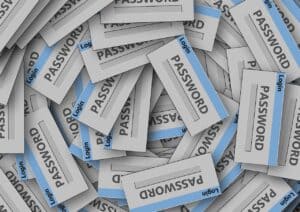
In this module you will learn about Password Security how it is the first line of defense against unauthorized access to your computer and personal information.
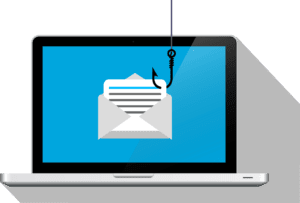
Phishing is when scammers try to trick you into giving away personal information, like passwords or account details. They often send fake messages—such as emails or text messages—that
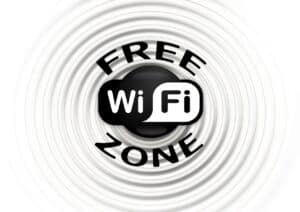
When you use public Wi-Fi that isn’t secure, others on the network might be able to see your activity, including what you type or send on certain websites.
Ransomware is a type of malware that holds a victims data for ransom. Ransomware attacks continue to be one of the most common cyber attacks.
K-12 schools make tempting targets, in large part, because they have loads of data.
Hackers don’t always break into systems—they often trick people. That’s why humans are considered the “weakest link” in cybersecurity.

In today’s world of video calls, it’s important to use good cybersecurity habits every time you join a meeting.
Please confirm you want to block this member.
You will no longer be able to:
Please allow a few minutes for this process to complete.