
SCIENCE LAB SAFETY AND COMPLIANCE FOR FACILITIES DIRECTORS
You own the building. The science wing is the part of it that stores chemicals, runs gas and open flame, needs an eyewash within reach of every bench, and is inspected against a fire code that changes edition. Science Safety gives facilities directors the two things the job asks for: the compliance picture for every lab space you are responsible for, and the leadership to keep it that way across every building.
Two modules, sold separately: Facilities Compliance and Facilities Safety Leadership. Built to the Science Safety Teaching Standard.
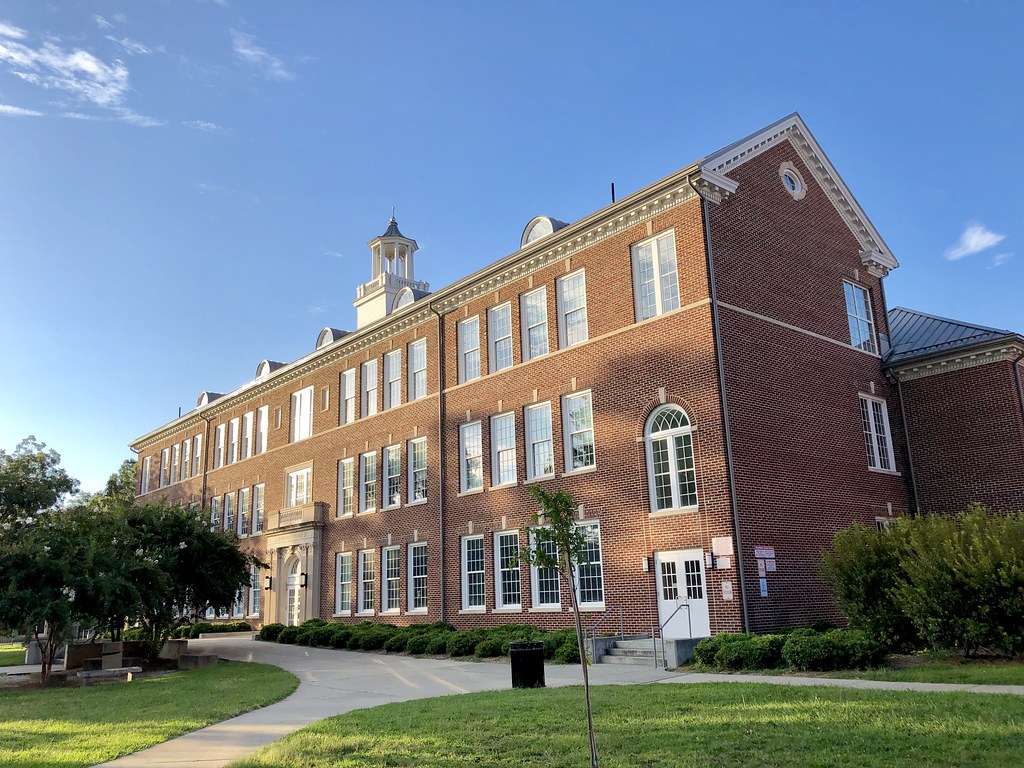
Why the science wing is a facilities problem
A classroom is a room. A science lab is a small industrial space inside a school: flammable storage, corrosives, compressed gas, fume hoods that must move air at a set velocity, emergency showers that must flow for fifteen minutes, and a student load the fire code caps by floor area. The teacher is responsible for the lesson. The facilities director is responsible for whether the room itself is fit to hold it.
Most facilities training stops at the boiler room and the roof. Science Safety starts where the science wing starts, and it is written for the person who signs the work order, not for the chemist.
Facilities Compliance
What each science space has to have, by rule and by source: eyewash and shower placement and flow, fume hood performance and testing, chemical storage and ventilation, gas and electrical shutoffs, fire code occupancy and extinguishers, signage and egress, hazardous waste holding areas. Then the inspection walk that proves it, the records that show it, and the state-specific requirements that sit on top of the federal ones.
Coming to the catalog. The modules below cover the ground today.
Facilities Safety Leadership
Running the program across every building: who owns what between the facilities office, the science department and the Chemical Hygiene Officer; custodians and contractors working in and around labs; budgeting for the equipment the code requires; the annual inspection calendar; what to report to the superintendent and the board, and how to show a regulator that the district is in control.
Coming to the catalog. The modules below cover the ground today.

What a facilities director is accountable for in a science lab
- Emergency eyewash and shower units: placement, flow, tepid water, weekly activation
- Fume hoods and lab ventilation: face velocity, annual testing, exhaust and make-up air
- Chemical storage rooms: ventilation, segregation, flammable cabinets, access control
- Gas, electrical and water: master shutoffs, GFCI protection near sinks, labeled valves
- Fire code: occupancy load by floor area, extinguisher class and placement, two ways out
- Hazardous waste holding areas and the pickup schedule
- The annual physical inspection of every science, STEM and CTE space, with the record to prove it

The Laboratory Standard reaches the building, not just the chemist.
The OSHA Laboratory Standard, 29 CFR 1910.1450, requires every employer with a laboratory to keep a written Chemical Hygiene Plan, and the plan must include a requirement that fume hoods and other protective equipment are functioning properly, with specific measures to ensure their performance. Somebody has to test the hoods, flow the showers and keep the records. In a school district that somebody reports to the facilities director.
Beside the federal rule sit the state ones: state fire codes adopted by statute, state eye-protection laws, state laser and chemical registration rules. Science Safety publishes a one-sheet of those for each state, with the exact section cited.
Available today for facilities directors
A note for superintendents and business officials
Who this training is for
- Facilities Directors and Directors of Operations
- Plant Managers and Building Engineers
- Maintenance and Custodial Supervisors
- Environmental, Health and Safety Officers
- Business Officials who approve the capital and the work orders
- Lab Managers in industry who answer for the space as well as the science

Ask Yourself
When was each emergency shower in the district last flowed, and where is the log?
Which fume hoods were tested this year, and who holds the face-velocity numbers?
What is the posted occupancy of each science lab, and was the schedule built to it?
Who signs off that a chemical storeroom is locked, ventilated and segregated?
If a regulator walked the science wing tomorrow, which record would you hand over first?

Frequently Asked Questions
For the facilities director. The science department and the Chemical Hygiene Officer have their own training on this site. This page is about the building: what the lab spaces must have, how to inspect them, what to record, and how to run that across a district.
No. The modules are written for the person who signs the work order. Where a rule comes from chemistry, the module explains the reason in plain words and leaves the chemistry to the chemist.
Every Science Safety module ends in its own certificate, which anyone can verify on this site, and the facilities modules end with the inspection calendar, the record set and the walk-through list you use in your own buildings.
Yes. Districts and organizations enroll teams through a group purchase, and the people who run the program can see who has completed what. Use the contact button above and tell us the size of the team.