



SCIENCE SAFETY TRAINING FOR TEACHERS, BUILT FOR THE ROOM YOU TEACH IN
You are the one adult in the room when the burner is lit, the acid is poured and the saw is running. Nobody else is standing closer to the hazard, and nobody else is named first when a student gets hurt. Science Safety trains you for the grade you teach and the subject you teach it in, in short online modules you can finish between classes, with a dated certificate your principal can file. Elementary, middle or high school. Science, STEM, CTE, makerspace or the arts. New to the classroom or twenty years in.
The training for your room, the rules for your state, and the record that shows you did it. Built to the Science Safety Teaching Standard.

Safety training that matches the lesson you are actually teaching
A second-grade teacher running a baking-soda volcano, a seventh-grade teacher dissecting a frog and a chemistry teacher titrating an acid face different hazards, different rules and different students. One generic safety video does not cover any of them well. Science Safety is organized the way your job is: by grade band, by subject and by whether you are new. Each pathway is a short set of modules on the hazards in your own room, the protective equipment your students need, the rules your state adds, and what to do in the first minute when something goes wrong.
Every module is built to the Science Safety Teaching Standard, so the rules are stated once, in plain language, with the source linked. You finish with a dated certificate, and if your district enrolls you as a group, your completion lands on the district record without you sending anyone a file.
Science and STEM Safety for Elementary School Educators
For K-5 classrooms where science happens at the desk: heat, sharp tools, living things, household chemicals, allergies and the rules for small hands. New to elementary? Start with the new-teacher pathway.
Science and STEM Safety for Middle School Educators
For grades 6-8, where the first real lab work begins: eye protection, chemicals in small amounts, dissection, electricity, makerspace tools and the class-size rules that come with a lab.
General Safety Protocols for High School Science Educators
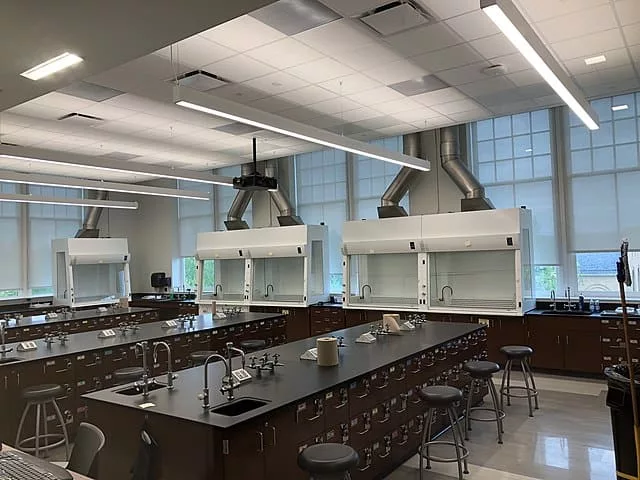
For the high school lab: the Chemical Hygiene Plan, hazard communication, fume hoods, storage, waste, fire and the protocols every science teacher in the building is expected to follow.

What a teacher of science is expected to have in place
- Safety training on record before the first hazardous lesson, and again each year
- Eye protection on every student, every time, as most state eye-protection laws require
- A safety contract signed by every student and parent, filed before lab work begins
- A safety lesson and a safety quiz taught to students, with the scores kept
- A class that fits the room: within the posted occupancy and the floor area per student
- Chemicals labeled, stored by hazard class and listed in the inventory, with the safety data sheet on hand
- Eyewash, shower and fire equipment that you have checked yourself and know how to use
- An incident report for every injury, written the same day

When a student gets hurt, the teacher is named first. Know what covers you.
A teacher has a duty of care to every student in the room, and courts measure it against what a trained, reasonable teacher would have done: taught the safety rules, enforced the eye protection, kept the class to the room, supervised the hazardous step. State teacher protection laws, immunity statutes and your district’s indemnification can shield you, but only if you acted the way a trained teacher acts. The training record is the first thing an attorney asks for.
Teacher Safety Protection Laws: What Covers You When a Student Gets Hurt is the module written for exactly that question. It walks through the duty of care, negligence, the state protections that apply to teachers, and the documents that prove you did your job.
Pathways by subject, and pathways for new teachers
- Chemistry Safety for Educators Pathway
- Biology Safety for Educators
- Physics Safety for Educators
- Earth, Space, and Environmental Safety for Educators
- AP Biology Safety for Educators
- AP Chemistry Safety for Educators
- CTE Safety for Middle and High School Educators
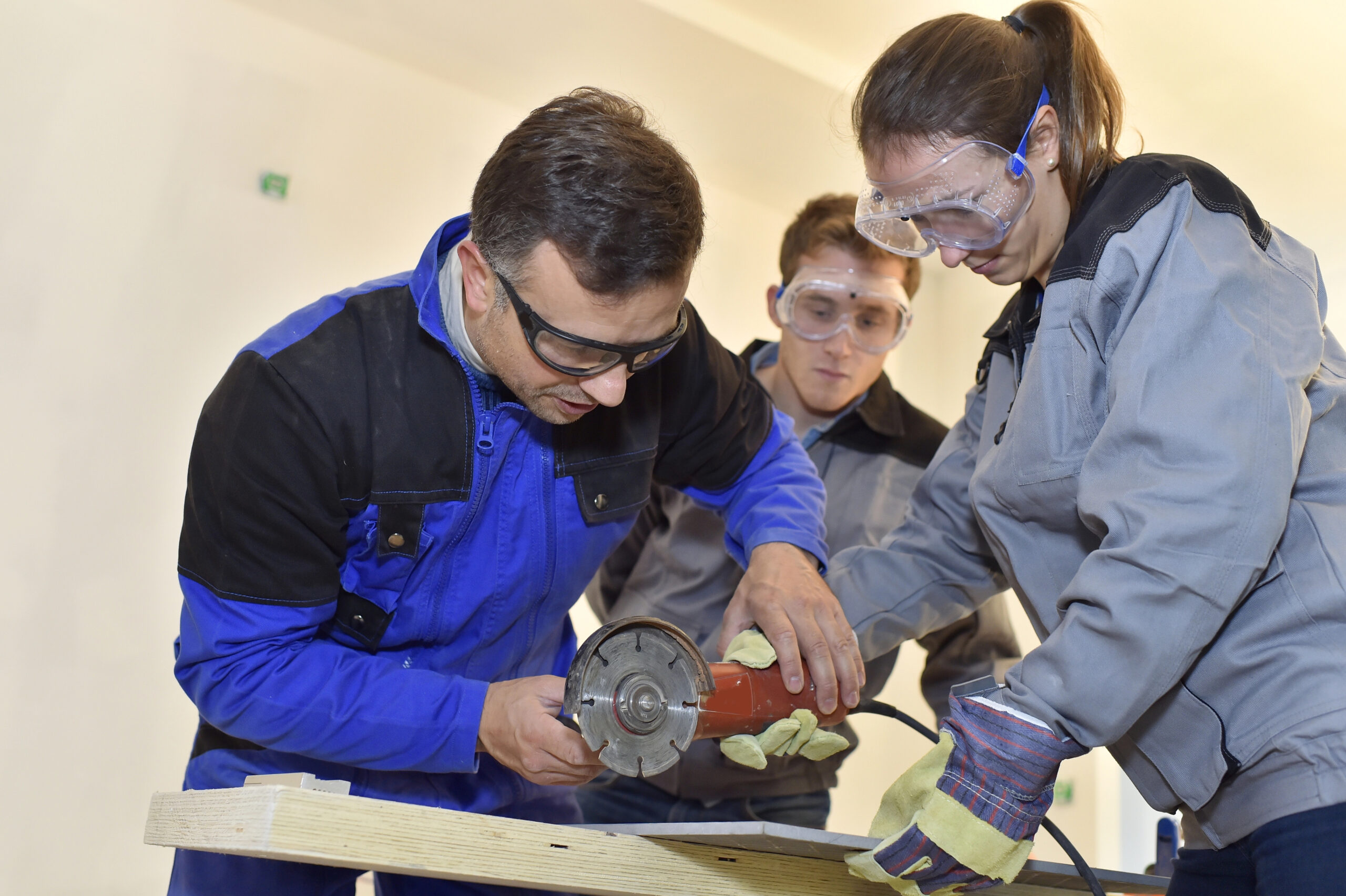
- Woodshop Safety for Educators Pathway
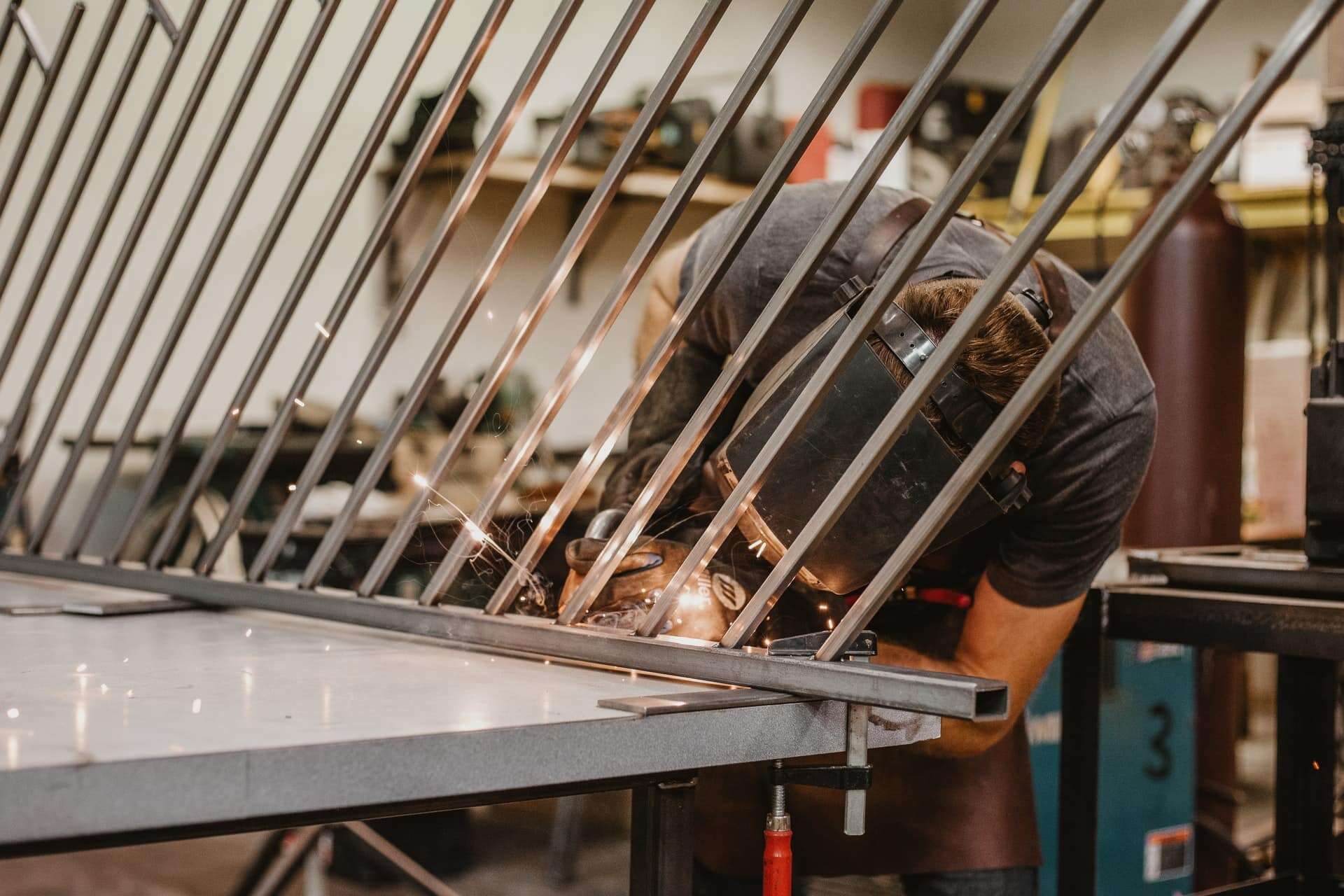
- Metalworking Safety for Educators
- Visual Arts Safety for Educators
- Makerspaces Safety for Elementary School Educators
- Makerspaces Safety for Middle School Educators
- Makerspaces Safety for High School Educators
- Science and STEM Safety for New Elementary School Educators
- Science Safety for New Middle School Educators
- Science and STEM Safety for New High School Educators
- CTE Safety for New High School Educators
- Pre-Service Safety for Middle School and High School Educators
- Pre-Service Safety for Elementary School Educators Pathway
- Pre-Service CTE Safety for Educators
- Basic Science Safety Training for Teachers and Staff
- Fire Safety for Educators
- GHS Certification Training for K-12 Educators
- Compliance and Regulatory Safety Awareness for Educators
- Flex Safety Pathways: pick any mix of modules
- State compliance sheets and free modules, one per state
- Sixty-six printable safety posters for your lab wall
Teaching in a room that is not ready for the lesson?
Who this training is for
- Elementary classroom teachers who teach science and STEM
- Middle school science, STEM and makerspace teachers
- High school science teachers in every discipline, including AP
- CTE, woodshop, metalworking and visual arts teachers
- Student teachers and new hires assigned a lab for the first time
- Substitutes, aides and paraprofessionals who work in a lab or shop

Ask Yourself
When did you last complete science safety training, and could you put your hands on the certificate today?
Does every student in your lab wear eye protection every time, including on the day you are tired of saying it?
How many students are in your largest lab section, and what is the posted occupancy of the room?
Do you know where the safety data sheet is for the chemical you are using this week?
If a student were hurt in your room tomorrow, what would you be able to show you had done?

Frequently Asked Questions
Start with the pathway for your grade band: elementary, middle or high school. If you teach a specific subject, add that subject pathway. If you are in your first year, or a student teacher, take the new-teacher or pre-service pathway for your grade band first.
Each module is built in short lessons that fit between classes, and a pathway is a small set of modules. You can stop and come back; your progress is saved. Your certificate is dated the day you finish.
The federal rules are in every module. Your state’s own requirements, eye protection, fire code, class size, inspections and registrations, are on the free state compliance sheet and state module for your state.
Yes. A school or district buys the seats as a group, assigns pathways by role and the completions land on one record. Ask your department chair or science supervisor, or contact Science Safety for a group quote.
No training removes the duty of care. What a dated training record does is show that you were trained and acted as a trained teacher would, which is what state teacher protection laws and district indemnification turn on. The Teacher Safety Protection Laws module explains what applies to you.
Every Safer Pathway for teachers
The full catalog of educator pathways: by grade band, by subject, for new teachers and for CTE and the arts. Open any pathway to see its modules.