

Explore Free Safer Modules

Science Department Heads

SCIENCE SAFETY FOR DEPARTMENT HEADS AND CHAIRS

You answer for every lab in the department: the teachers who run them, the technician who stocks them, the chemicals in the storeroom, the class sizes on the schedule, and the plan that is supposed to hold it all together. When something goes wrong, the questions come to you. Science Safety gives department heads the program, not just the rules: the calendar, the records, the people, and the training that proves the department is in control.

Two pathways written for the chair, and the modules behind them. Built to the Science Safety Teaching Standard.

The front of a life sciences building with the words The Life Sciences carved above the entrance

The chair does not do every job. The chair makes sure every job is done.

A science department has more safety duties than any one person can carry: training before the first lab, student safety contracts, a chemical inventory that matches the shelves, a Chemical Hygiene Plan reviewed every year, an annual inspection of every room, eyewash and showers tested and logged, class sizes that respect the room, and an incident file that is honest. The department head’s job is to make sure each of those has an owner, a date and a record.

Science Safety’s training for chairs is built around that job. It does not re-teach chemistry. It teaches the program: what to set up, what to delegate, what to check, and what to keep, so the department can show anyone who asks that it is in control.

PATHWAY

High School Science Safety Awareness for Department Chairs

For the chair who wants a safety culture in every science and STEM classroom: the issues that cut across a department, how to set expectations for teachers, what to inspect, and how to lead the people who do the daily work.

PATHWAY

Secondary Science Department Chair Pathway

The department chair as the safety lead: the plan, the records, the chemical program and the teaching staff, taken one duty at a time, so the chair leaves with a department that runs on a calendar rather than on memory.

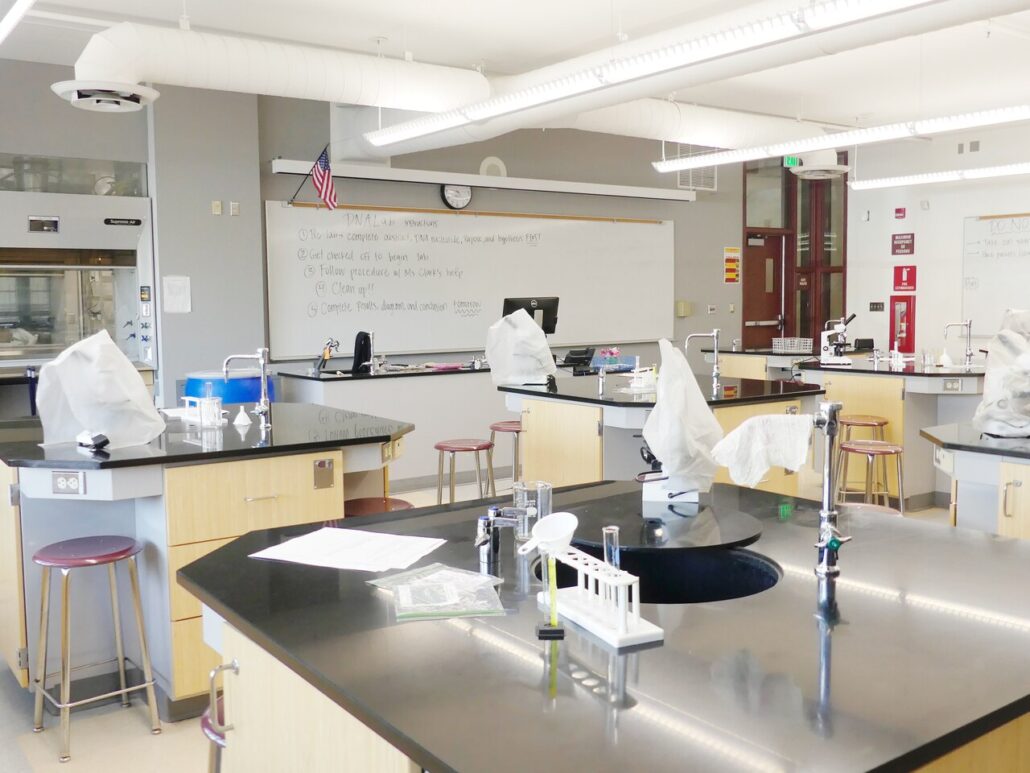
School science lab with benches and fume hoods

What a department head answers for

  • Every teacher trained before the first lab, with the record to show it
  • Student safety contracts signed and on file each year
  • A chemical inventory that matches the shelves, and a disposal list that leaves the building
  • The Chemical Hygiene Plan reviewed, re-signed and known by the people it names
  • An annual inspection of every lab and storeroom, findings turned into work orders
  • Class sizes that respect the room: floor area, exits, hoods and eyewash
  • Incidents reported, reviewed and learned from, not filed and forgotten
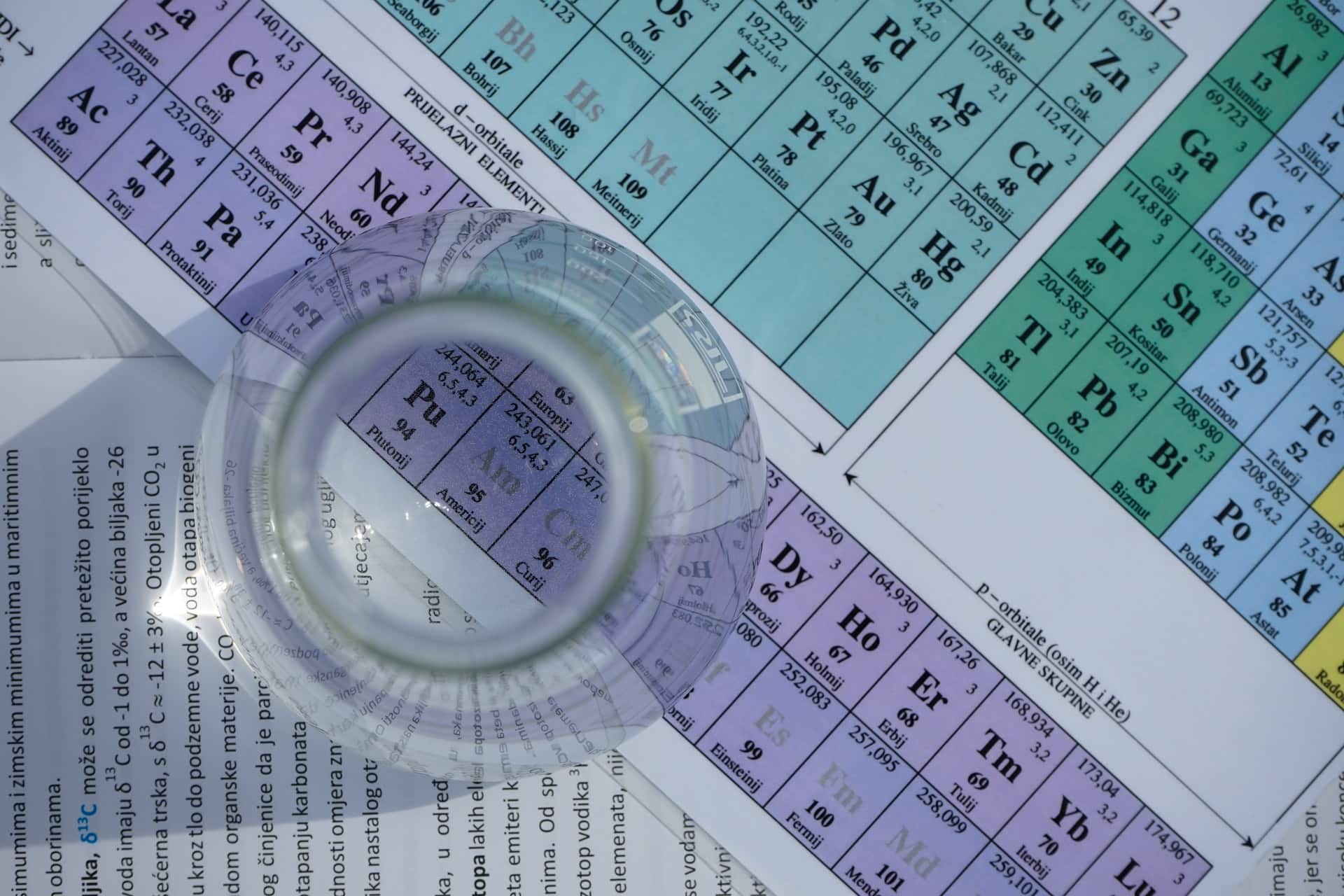
A chemistry laboratory safety rules sheet beside glassware and a pen

The Chemical Hygiene Plan is the department’s safety law.

Under the OSHA Laboratory Standard, 29 CFR 1910.1450, every employer with a laboratory keeps a written Chemical Hygiene Plan, reviews it at least once a year, and names the people responsible for carrying it out. In most schools the name beside the science department is the chair’s. The plan sets the operating procedures, the exposure controls, the training, the equipment checks and the prior-approval rules that every teacher in the department works under.

Science Safety teaches the plan as a working document: how to write one, how to keep it current, and what sits on top of it in your state, from eye-protection laws to fire-code editions, class-size rules and inspection requirements.

When the plan needs writing, not just reading

Science Safety specialists write and review Chemical Hygiene Plans for schools and districts, and review chemical inventories so the disposal list is right the first time. If the department’s plan is a decade old or does not exist, start there.

Who this training is for

  • Science Department Heads and Chairs
  • STEM Department Chairs and Lead Teachers
  • Science Supervisors and Coordinators
  • Assistant Principals who oversee science
  • Chemical Hygiene Officers who share the department
  • Lab Managers in industry who run a department of their own
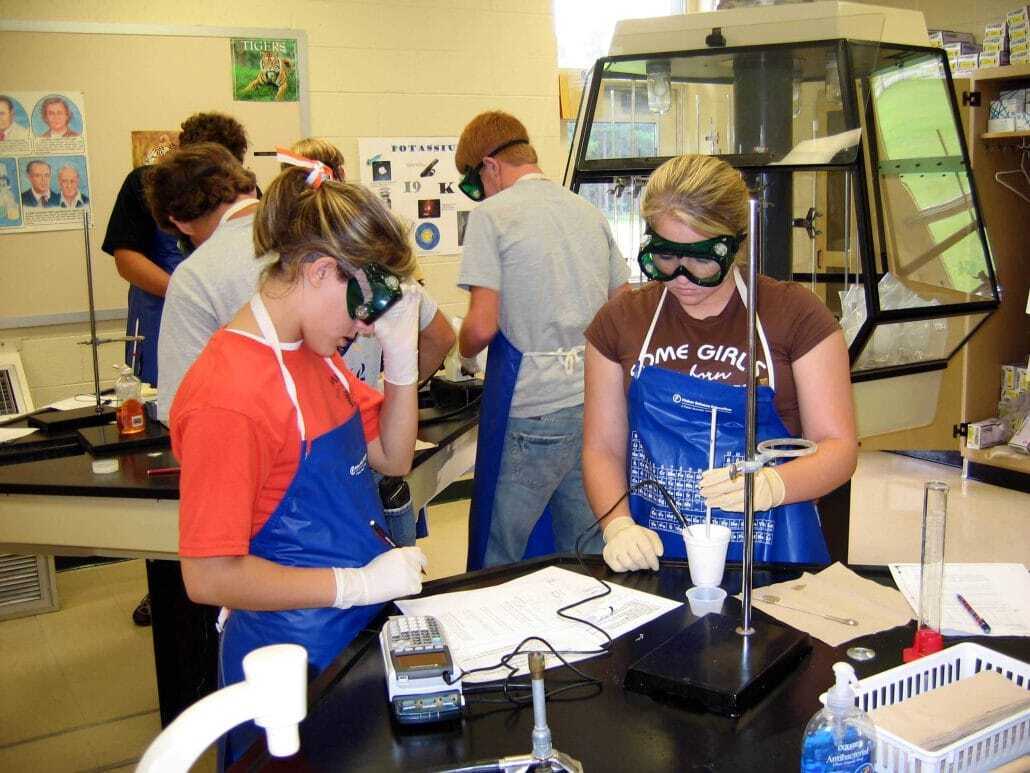
Students in safety goggles and aprons doing lab work in a classroom

Ask Yourself

Which of your teachers has a dated safety training record from this school year?

Does the chemical inventory match the shelves, and when was it last reconciled?

When was the Chemical Hygiene Plan last reviewed, and whose name is in it?

Is any science class scheduled above the posted occupancy of its room?

If a student is hurt in a lab tomorrow, which record do you reach for first?

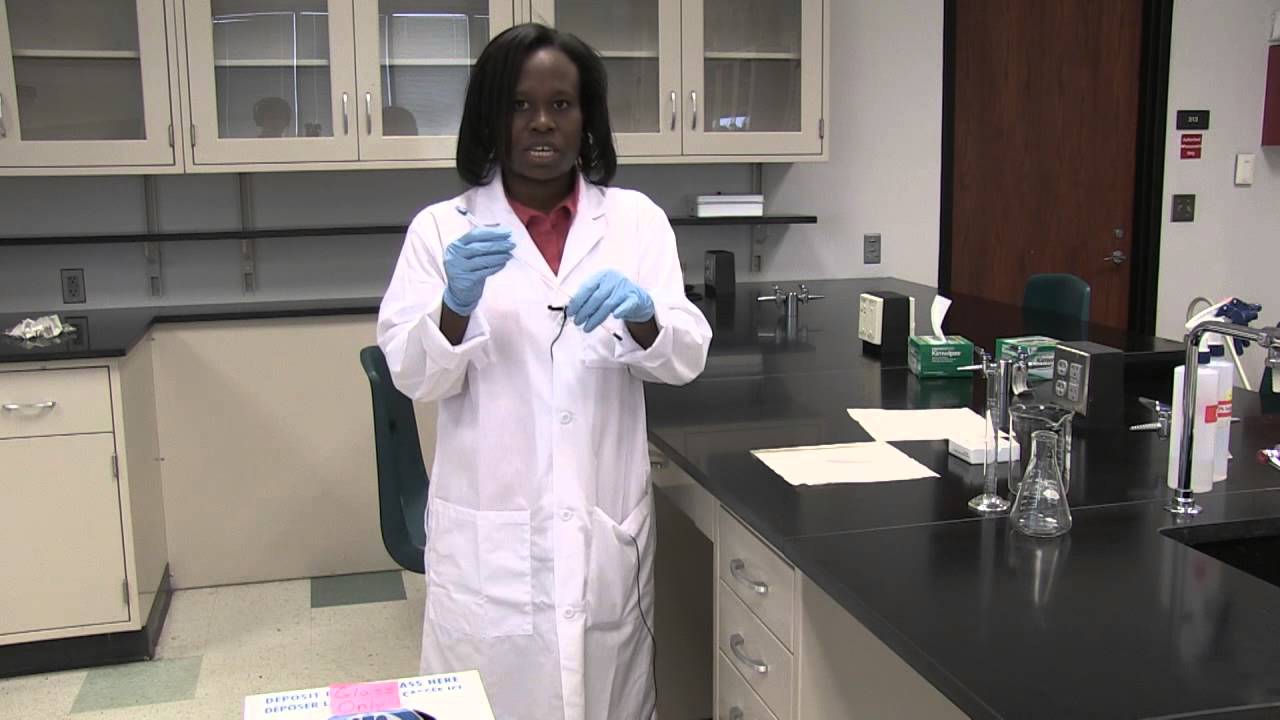
Students in safety goggles and lab coats doing a chemistry experiment

Frequently Asked Questions

No. The CHO training qualifies one person to write and run the Chemical Hygiene Plan. The department head training is about running the department: people, calendar, records and class sizes. Many chairs take both, and the pathway for chairs explains where the two roles meet.

Start with How to Write an Effective Chemical Hygiene Plan, which takes you through a plan section by section, and Chemical Hygiene Plan Rules by State for what your state adds. If nobody has time to write it, Science Safety specialists author and review plans.

Yes. Departments and districts enroll teachers, technicians and chairs together through a group purchase, and the chair can see who has completed what, which is itself the training record the department needs.

Every module and pathway ends in a certificate that anyone can verify on this site, and the chair pathways end with the calendar, the record set and the inspection list to run in your own department.

Every Safer Science module

The full science catalog for your teachers, from chemical storage to class size. Open any module to see its lessons.

Aerospace and Safety

Aerospace and Safety

In this online module on aerospace and safety, teachers will learn about rockets, and the caution required when using compressed…
$20.00
Add to Cart
View Cart
AP Biology Safety for Educators

AP Biology Safety for Educators

Accidents do happen in a biology lab. In this online pathway, AP Biology teachers will develop a deeper understanding of…
Original price was: $400.00.Current price is: $99.00.
Add to Cart
View Cart
AP Chemistry Safety for Educators

AP Chemistry Safety for Educators

This online pathway provides AP Chemistry teachers and administrators with an overview of basic procedures and policies necessary to ensure…
Original price was: $400.00.Current price is: $99.00.
Add to Cart
View Cart
Basic Science Safety Training for Teachers and Staff

Basic Science Safety Training for Teachers and Staff

This online training pathway is designed for districts and schools seeking to train teachers and staff on science and STEAM…
Original price was: $400.00.Current price is: $99.00.
Add to Cart
View Cart
Biological Waste

Biological Waste

In this online module, you will develop a deeper understanding of safety issues and protocols related to biological waste, including…
Original price was: $10.00.Current price is: $0.00.
Add to Cart
View Cart
Biology Lab Equipment

Biology Lab Equipment

This online module covers the basic safety protocols related to laboratory equipment that are used to produce valid results in…
$20.00
Add to Cart
View Cart
Biology Safety for Educators

Biology Safety for Educators

This online pathway provides biology educators with an overview of basic procedures and policies necessary to support safety in their…
Original price was: $400.00.Current price is: $99.00.
Add to Cart
View Cart
Chemical Hygiene Plan Review

Chemical Hygiene Plan Review

Science Safety is able to evaluate your existing training programs across your school district to ensure compliance and make suggestions…
$5,000.00
Add to Cart
View Cart
Chemical Spills

Chemical Spills

This online module will teach you how to evaluate and safely handle chemical spills in your laboratory….
$15.00
Add to Cart
View Cart
Chemistry Lab Accidents

Chemistry Lab Accidents

In this online module, you will learn about Chemistry Lab Accidents and concrete steps to prevent lab emergencies that carry…
Original price was: $15.00.Current price is: $0.00.
Add to Cart
View Cart
Chemistry Lab Safety for Students

Chemistry Lab Safety for Students

This online module provides high school chemistry lab safety for students with an overview of basic procedures and policies necessary…
$20.00
Add to Cart
View Cart
Chemistry Safety for Educators Pathway

Chemistry Safety for Educators Pathway

This online pathway provides teachers and administrators with an overview of basic procedures and policies necessary to ensure the safe…
Original price was: $400.00.Current price is: $99.00.
Add to Cart
View Cart
Load More