The good news: schools have powerful opportunities to raise awareness, adjust environments, and now, thanks to emerging technologies, use AI to monitor and manage sound more effectively than ever before.
Why Student Hearing Deserves Attention
Noise-induced hearing loss (NIHL) is permanent. Once the delicate hair cells inside the ear are damaged, they do not grow back.
It starts young. The CDC reports that 12–15% of school-aged children already show signs of hearing loss attributable to noise exposure.
School environments contribute. Band and orchestra rooms, cafeterias, gymnasiums, vocational shops, and even standard classrooms can exceed safe decibel levels during the school day.
Headphone culture adds risk. With personal devices now part of learning, volume settings often creep far above safe listening thresholds.
Unchecked, these patterns can lead to communication struggles, academic difficulties, and social isolation—all avoidable with proactive prevention.
High-Risk School Settings
1. The Classroom
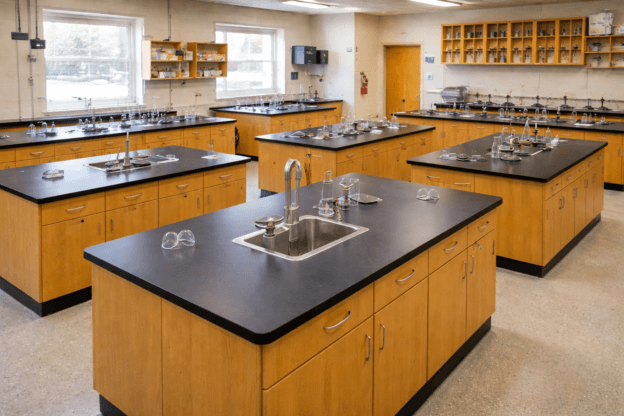
Even typical chatter, when layered with background HVAC noise and interactive tech tools, can push classrooms into ranges that fatigue both students and teachers. Students with ADHD, sensory sensitivities, or auditory processing challenges are especially vulnerable.
2. The Music Room
Band and orchestra practice often exceed 90–100 decibels, far beyond the 85 dB threshold OSHA identifies as hazardous over long periods. Sustained rehearsals without ear protection or sound controls can leave students with temporary ringing—an early sign of damage.
3. The CTE Lab
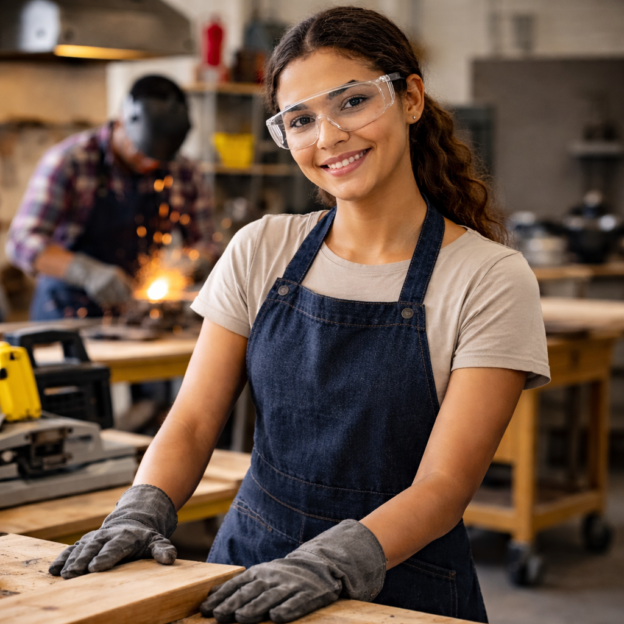
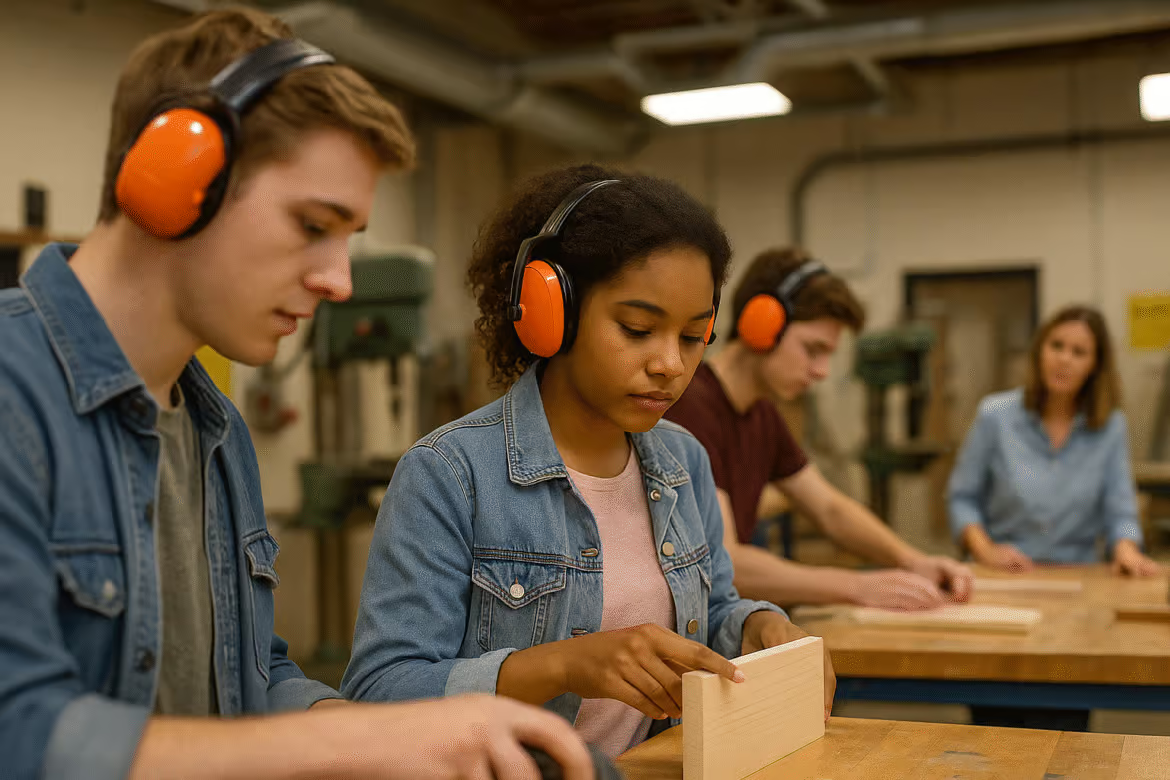
Woodshop saws, metal grinders, and construction tools routinely surpass safe sound levels. Unlike a one-off loud event, this daily repetition compounds the risk for students in Career and Technical Education programs.
4. The Everyday Headphone
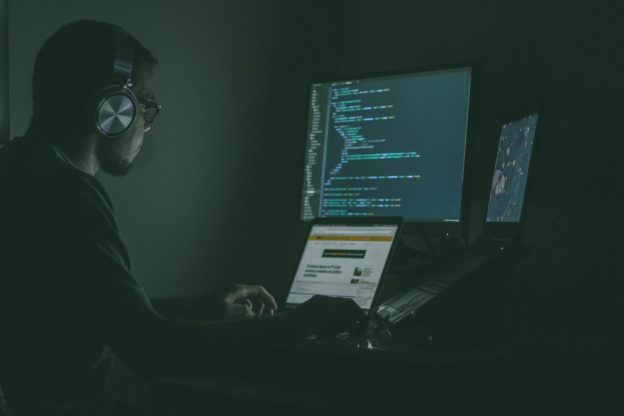
With AI-driven adaptive testing, reading, and independent work, students often spend hours with earbuds or over-ear headphones. Many devices lack built-in volume limiters, leaving hearing protection in the hands of young listeners who may not recognize the danger.
How AI Is Helping Schools Turn Down the Volume
Artificial intelligence is increasingly woven into health and safety strategies in education, and hearing protection is no exception.
Smart Headphone Regulation
AI-enabled headphones and devices can automatically cap volume at safe thresholds, adjust sound dynamically to background noise, and even send alerts to students or teachers when listening levels get risky.
Some platforms allow schools to centrally manage settings, ensuring classroom devices cannot exceed recommended decibel levels.
Real-Time Noise Monitoring
AI-powered sensors placed in classrooms, gyms, or music rooms can continuously measure ambient sound.
These systems issue alerts when thresholds are exceeded (e.g.., a rehearsal hits 95 dB for 15 minutes straight), giving teachers data to adjust schedules, reposition students, or hand out protective gear.
Predictive Insights
Over time, AI systems learn patterns—such as which labs or rehearsals tend to spike—and provide predictive reports that administrators can use to redesign spaces or adjust use.
For example, identifying that a certain CTE machine consistently pushes noise above 100 dB might trigger investment in soundproof barriers or rotation schedules.
Integration with Safety Dashboards
Districts already using AI dashboards for air quality, occupancy, or security can integrate noise data, making hearing protection part of a comprehensive environmental safety profile.
How Schools Can Help, With and Without AI
Raise Awareness. Incorporate hearing health into health classes, safety modules, or SEL sessions. Students should understand how noise affects learning and long-term well-being.
Encourage Safe Listening. Share CDC’s “60/60 rule” (no more than 60% volume for 60 minutes at a time) and promote volume-limiting headphones.
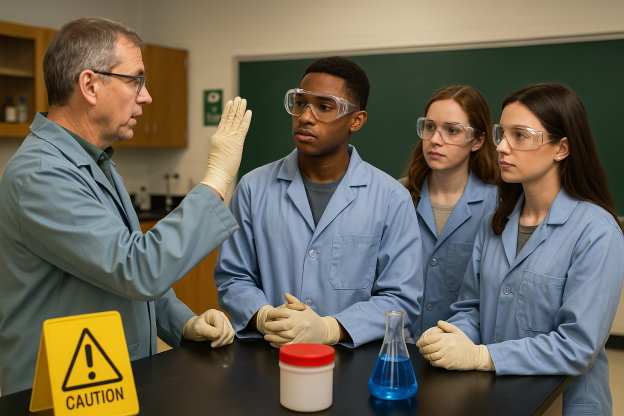
Equip Labs and Music Rooms. Provide disposable or reusable ear protection in CTE and music settings; integrate sound shields or panels where feasible.
Leverage AI Tools. Pilot noise sensors in high-risk spaces; use AI-enabled classroom devices to monitor safe listening; include noise thresholds in facility safety evaluations.
Support Teachers. Classroom noise not only affects students—teachers with chronic exposure report voice strain, stress, and fatigue. Training and AI monitoring can protect staff well-being, too.
A Future of Safer Soundscapes
National Protect Your Hearing Month is not about silencing classrooms or music programs. It’s about creating sound environments that nurture learning instead of harming it. With AI stepping in as a partner—regulating headphone volume, alerting staff to risky levels, and offering actionable data—schools can build safer routines for both students and educators.
Protecting hearing doesn’t just prevent medical issues later in life. It ensures that students can fully engage today—hearing instructions, enjoying music, collaborating with peers, and participating without barrier.
This October, let’s recognize hearing health as part of whole-child well-being, and let AI serve as a quiet but powerful ally in keeping the sound of learning safe.